
The Power of Failure: How Youth Sports Build Confidence Through Setbacks
In a world that often glorifies success, failure is frequently seen as something to be avoided at all costs. However, for young athletes, failure is one of the most valuable tools for personal growth and development. When approached with the right mindset, failure in sports becomes a stepping stone toward resilience, self-confidence, and long-term success.
Why Failure is Crucial for Youth Development
Failure teaches young athletes how to handle adversity. In sports, as in life, not every outcome will be favorable. Learning to deal with setbacks—whether it's missing a game-winning shot, losing a race, or making a costly mistake—helps young players build emotional resilience. These moments serve as opportunities to develop mental toughness, a trait that extends beyond the playing field and into academic, social, and professional endeavors.
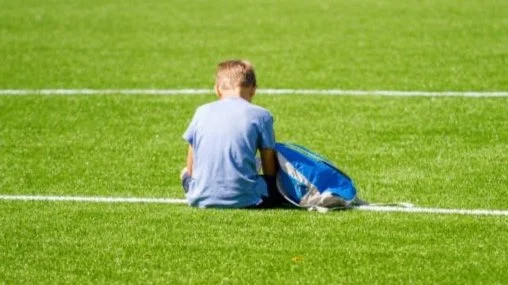
How Sports Turn Failure into Confidence
Encouraging a Growth Mindset
When children understand that failure is part of the learning process, they begin to see setbacks not as permanent defeats but as opportunities for improvement. Sports provide a structured environment where failure is not the end but a chance to learn, adjust, and come back stronger.Building Resilience Through Repetition
Every missed shot, dropped pass, or loss is a lesson. The more young athletes experience failure, the more they develop perseverance. The ability to keep pushing forward despite setbacks builds confidence in their ability to overcome obstacles in all areas of life.Fostering Self-Reflection and Personal Responsibility
Sports encourage players to analyze their mistakes and take ownership of their performance. Instead of blaming external factors, athletes learn to ask, "What can I do better next time?" This accountability fosters maturity and self-assurance.Providing Immediate Feedback and Growth Opportunities
Unlike many life situations where feedback may be delayed, sports provide instant results. A missed free throw, an off-target pass, or a botched play gives immediate insight into what needs to be improved. Coaches and mentors help guide players through these challenges, reinforcing the idea that setbacks lead to success.Developing Leadership and Teamwork
Failure teaches young athletes that overcoming challenges is not just an individual effort. A missed goal might mean a teammate picks them up, or a lost game can lead to a renewed team strategy. Learning to support others and accept support in return fosters a sense of belonging and collective confidence.
Real-World Impact: Lessons Beyond the Game
The confidence gained from overcoming failure in sports translates into all aspects of life. Student-athletes who have faced and learned from setbacks tend to approach academic challenges with determination. In the professional world, they are better equipped to handle rejection, adapt to change, and persist in the face of difficulties. Socially, they develop stronger emotional intelligence and communication skills, enabling them to build meaningful relationships and navigate life's ups and downs.
Embracing Failure as a Path to Success
It is essential that parents, coaches, and educators encourage youth to embrace failure as a part of their journey. By fostering a culture where mistakes are viewed as opportunities for growth, young athletes gain the confidence needed to push past setbacks and reach their full potential.
In the words of basketball legend Michael Jordan, "I’ve missed more than 9,000 shots in my career. I’ve lost almost 300 games. Twenty-six times I’ve been trusted to take the game-winning shot and missed. I’ve failed over and over and over again in my life. And that is why I succeed."
Sports provide a unique, controlled environment where young people can experience failure, learn from it, and emerge stronger. By encouraging resilience, self-reflection, and perseverance, we empower the next generation to face challenges with confidence—both on and off the field.
Unite | Play | Thrive
